

New transmission from animals likely caused Congo-Uganda Ebola outbreak, study says
New transmission from animals likely caused Congo-Uganda Ebola outbreak, study says

DAKAR, Aug 11 (Reuters) – The ongoing Ebola outbreak in Democratic Republic of Congo concerns a previously unseen variant of the rare Bundibugyo species of the virus, indicating it stemmed from a new transmission from animals to humans rather than from variants linked to earlier outbreaks, a new study said.
• Researchers from Congo, Uganda, Belgium and other countries analysed the genetic make-up of virus samples from 22 patients in Congo and Uganda and found the outbreak strain was genetically distinct from previous Bundibugyo Ebola viruses seen in outbreaks in 2007 and 2012.
• The findings, published on Monday in the journal Nature Medicine, suggest the outbreak began with a fresh animal-to-human transmission event and was then spread between people.
• The study did not identify the animal source of the outbreak, but Ebola viruses are known to spill over periodically from infected animals to humans.
• The genetic analysis helped confirm that cases detected in Uganda were linked to the outbreak in Congo.
• The study’s authors said wider access to testing and virus sequencing could help detect future Ebola outbreaks earlier and improve efforts to contain them.
• There is no approved vaccine or treatment for Bundibugyo, although candidate vaccines and treatments are under development.
• The outbreak was declared on May 15 and has surpassed 2,000 deaths, with 4,381 confirmed cases so far, according to the latest government data.
(Reporting by Clement Bonnerot; Editing by Robbie Corey-Boulet and Toby Chopra)

The PM has announced a rake of measures to help people since taking office three weeks ago.

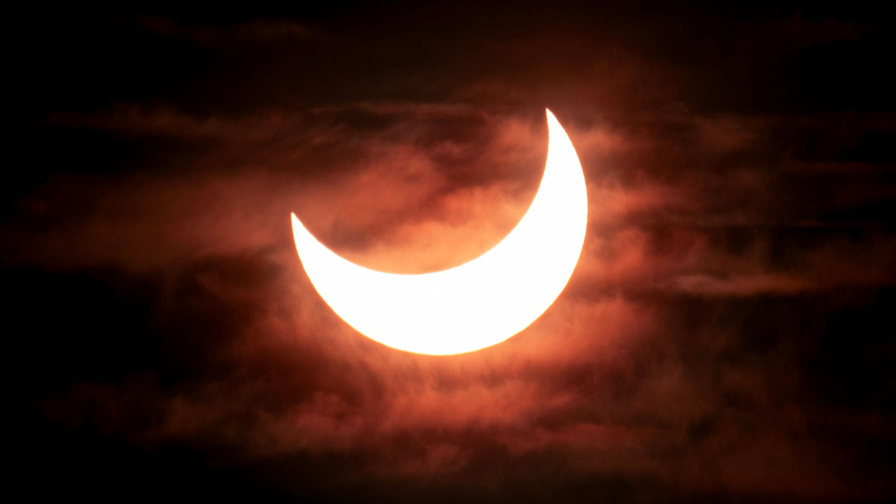
Up to 96% of the Sun will be covered by the Moon in the UK, while parts of Spain, Greenland, Iceland, Portugal and Russia will see a total eclipse.


Once used to defend Britain’s shores against Napoleonic France, the Ordnance Survey’s detailed maps are now essential for tracking and adapting to climate change.”I would argue there is no clearer way to see the impact of climate change than looking at a traditional map,” Tom Gray, a utilities and transport expert for Britain’s national mapping agency, told AFP.
He was sitting in front of an aerial photograph of dry land projected onto a big screen at the OS headquarters in the port city of Sout

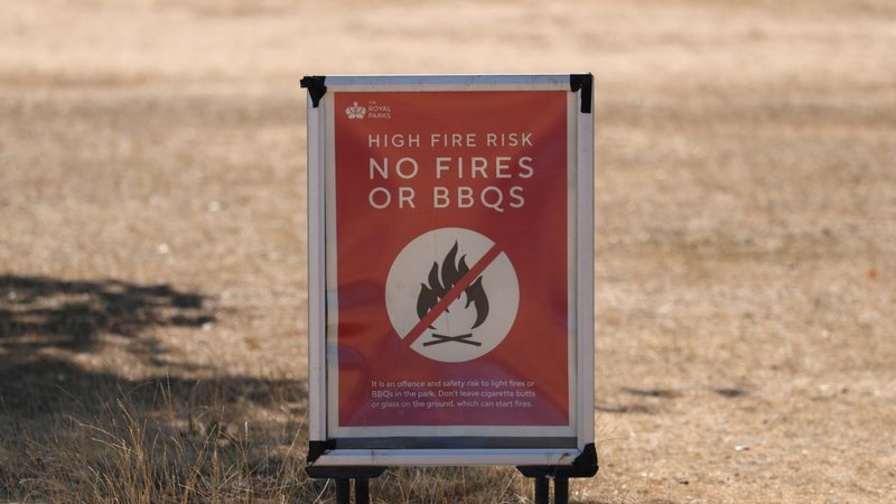
Aug 12 (Reuters) – British Prime Minister Andy Burnham will chair a meeting of the government’s emergency response committee on Wednesday to discuss measures to tackle extreme heat, wildfires and


MADRID/REYKJAVIK, Aug 12 () – Millions of people across Spain and Iceland geared up to witness a total solar eclipse on Wednesday, packing their protective glasses and travelling to areas where the rare astronomical event can be observed in full. Humans’ fascination with eclipses is well-documented.


RNLI says there will be an increase in swell and large pushing tides during the partial eclipse.
Skywatchers are set to witness two major celestial events next week, with a deep partial solar eclipse followed by the peak of the Perseid meteor shower.


A leaked internal review warns of concerns about a new unit investigating the most serious crimes.
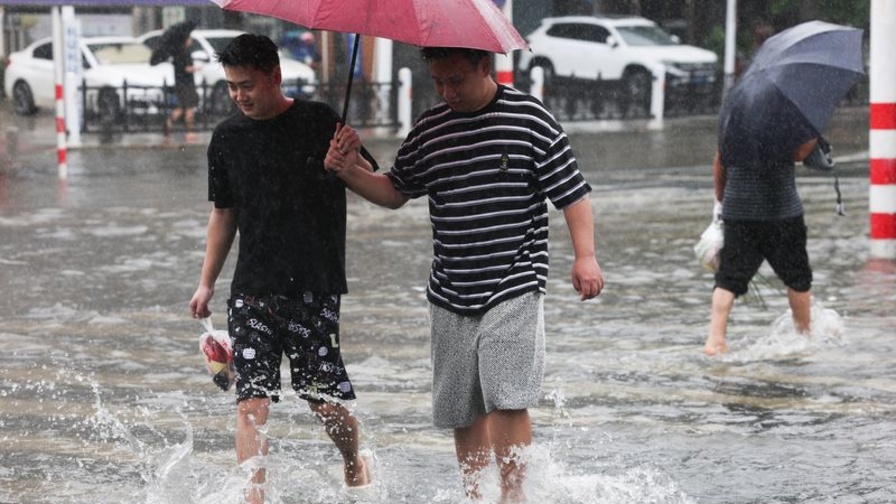
BEIJING, Aug 12 (Reuters) – China’s strongest typhoon this year lashed wide swathes of the country, battering the capital with bouts of intense rain that flooded key roads and stranded vehicles, after

The Thai government on Wednesday pledged to tighten gun controls and crack down on illegal firearms after two deadly shootings near Bangkok in less than a week renewed pressure on authorities to curb gun violence. The country has one of the highest rates of gun ownership in Asia despite its fairly restrictive gun laws. The two recent shootings, both in Nonthaburi province northwest of the capital Bangkok, have intensified calls for tougher enforcement and tighter controls on firearms.


The U.S. and Iran are close to agreeing on “some sort of arrangement,” Pakistan’s defense minister told Bloomberg on Tuesday.
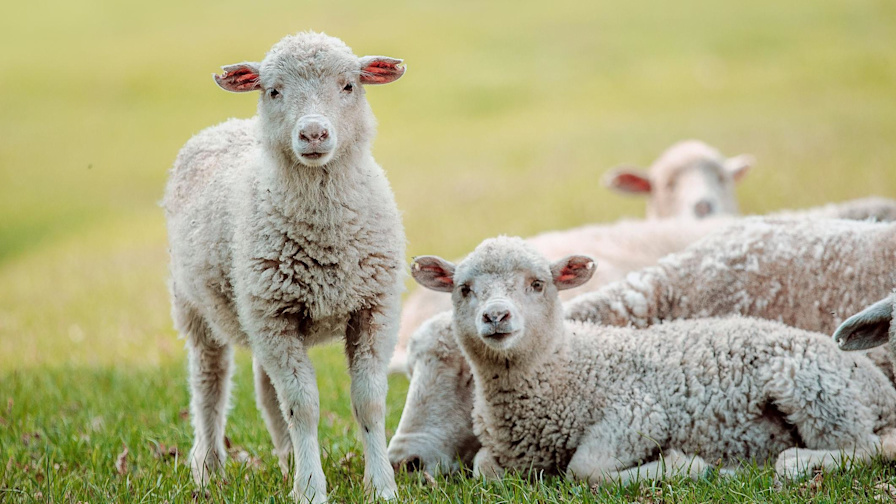
The single case, which was the first in Scotland, was recorded at the Kirkmabreck Farm near Creetown in Dumfries and Galloway.


Not every one of Tuesday’s primaries can be called yet, but the big trends are clear.

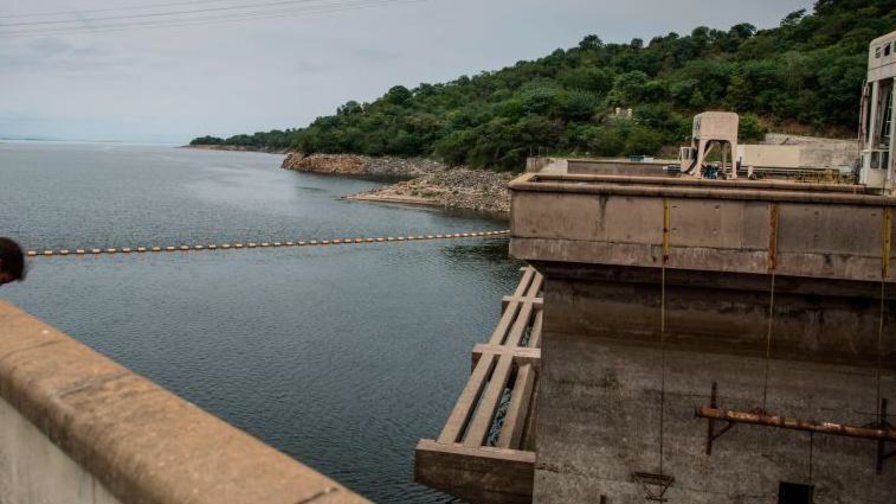
The vessel is said to have overturned after being hit by strong waves.


Crowley dropped out, then jumped back into the race in a last-ditch effort to stop Hong. He would be Wisconsin’s first Black governor if elected.


Drivers have been told to stay away from the area as access to King’s Lynn is closed.


Yorkshire residents have a rare chance to see the best view of a solar eclipse since 1999 next week.


LAGOS, Aug 12 () – Nigeria approved tax waivers for nearly 4,000 electric vehicles in the first half of this year, government data showed, as authorities push to accelerate nascent EV adoption despite chronic electricity shortages. The approvals reviewed by are the first under a new government programme aimed at promoting cleaner transport through tax incentives and local assembly programmes.
The site on the Suffolk coast sees its first visitors following a devastating 12 day-long fire.


Humberside Fire and Rescue Service is at the scene of a large fire on Reservoir Road in Hull.
Powered by WPeMatico