
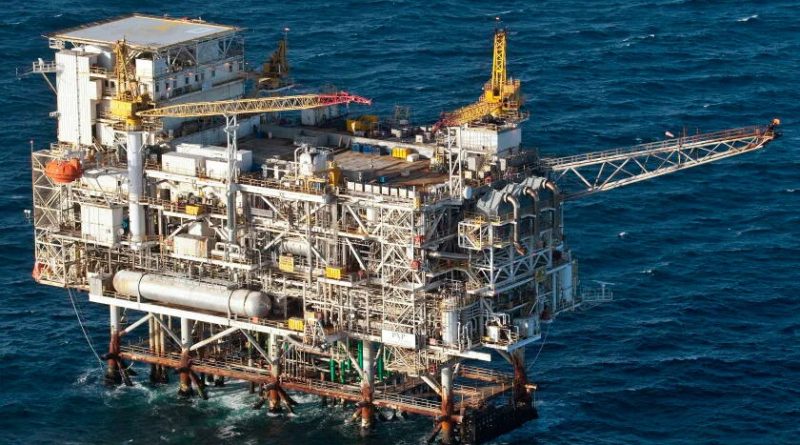
Offshore oil rigs could be ‘toppled’ off California under Trump plan
Offshore oil rigs could be ‘toppled’ off California under Trump plan
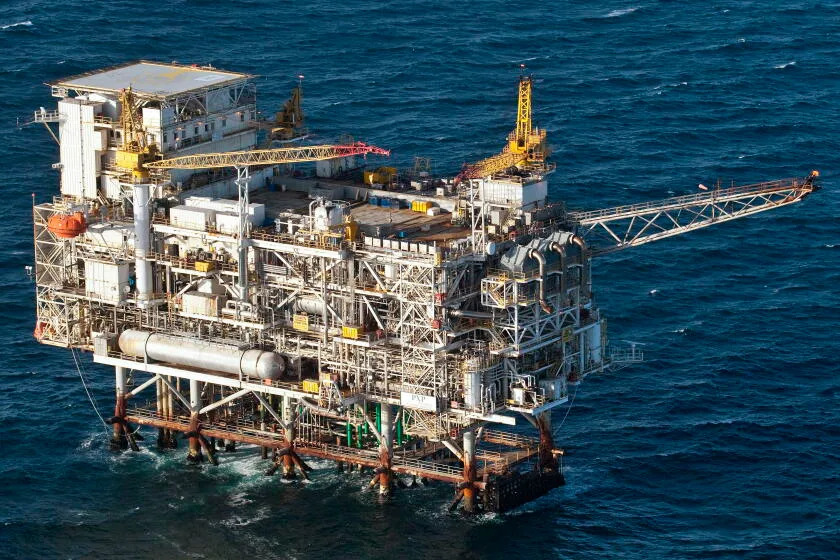
A quiet proposal from the Trump administration could change the way offshore oil platforms are managed when they reach the end of their useful lives, leaving more of them to lie permanently on the seafloor off the coast of California.
Buried within a September executive order about recreational fishing, President Trump directed the Department of the Interior — through its newly formed Marine Minerals Administration — to establish a federal “reef-in-place” program for decommissioned offshore oil and gas platforms. “Reefing” refers to leaving all or part of the metal structures in the ocean, where they can become artificial reefs for marine life.
There are 23 platforms in federal waters off the state’s coast currently, eight of which are in various stages of decommissioning. Four others are within state waters.
The Interior Department has signaled that it intends to go one step further. A rulemaking scheduled for 2027 would make “toppling in place” the default decommissioning method if approved. It’s largely what it sounds like: knocking all or most of the platform over onto its side to rest on the sea bottom. Though it’s been done in the Gulf of Mexico, it has never been tried in the Pacific waters off California, where all previously decommissioned platforms have been removed.
Read more: Trump wants to strip California of coastal protections unless state yields to list of demands
Critics say the action is designed to benefit fossil fuel companies, which have already profited from several sweeping policy changes since the president returned to office last year. Full removal of some of the largest offshore platforms could cost more than $200 million, according to federal estimates.
“Decommissioning via topple in place would be a huge windfall for oil companies in comparison to full removal, allowing them to avoid hundreds of millions of dollars in expenses as well as complex engineering and contracting problems,” said Robert Collier, an oil industry consultant who first flagged the plan on his Substack, Offshore California.
It comes as the White House seeks to reopen waters in the Pacific to new oil leasing for the first time in more than 40 years, along with new lease areas in Alaska and the Gulf of Mexico.
Trump’s executive order specifies that offshore wind platforms would not benefit from the policy change. The president’s opposition to offshore wind is well documented.
Regardless of the motivation, some scientists say the change could be a good thing for marine life. While some habitats can be disrupted when the platforms are installed, many fish and other species have come to thrive in and on the metal structures over time, including different types of rockfish, mussels and anemones, according to Milton Love, a research biologist at UC Santa Barbara.
For this reason, the question of what to do with an oil platform at the end of its life raises interesting scientific and moral questions, Love said. Removing the structure from the water kills the invertebrate life on it, he said, and crews sometimes use underwater explosives in the process, which can kill nearby fish.
“They happen to be living next to a piece of steel, and you’re going to kill them for that? I just don’t think that’s right,” he said.
One reefing method is something of a middle ground, and typically involves severing the platform at 85 feet below sea level, where officials say it will no longer pose a threat to ships above. Toppling changes the conditions even more — converting the whole structure to a deep-water habitat.
It’s hard to say what that would mean for the platforms off the coast of California, which vary in depth from about 95 to 1,200 feet in federal waters. While hundreds of platforms have been reefed via various methods in the Gulf of Mexico, the scientific findings there aren’t really applicable to the Pacific because of differences in species, water conditions, depths and other factors, Love said.
“Putting the platforms in was a great experiment in terms of biology,” he said, “and tipping them over would be a great experiment again.”
Read more: Trump administration plans to open Pacific Coast to oil drilling for first time in more than 4 decades
Some environmental and coastal advocacy groups strongly oppose any form of reefing or toppling, which they argue lets fossil fuel companies off the hook for their environmental legacy.
“What they’re asking for now isn’t even partial decommissioning — it appears to be ocean dumping,” said Richard Charter, director of the Local Government Outer Continental Shelf Coordination Program, a coalition of coastal counties opposed to offshore drilling.
Charter said that the plan doesn’t only save the oil industry money on existing platforms, but that it also incentivizes new oil leasing. That’s because some companies are more willing to invest in remote drilling sites if they know they’ll never have to remove their rigs, he said.
The federal government is also approaching the issue another way. A bipartisan bill, HR 5745, would make it easier for eligible oil and gas platforms to be converted into reefs via toppling, severing or abandonment. It provides for transferring liability for rigs to states that accept them into their artificial reef programs in exchange for compensation. Reefed rigs can also provide opportunities for fishing and tourism.
“Offshore energy infrastructure becomes valuable marine habitat, supporting an abundance of fish and other marine life,” said Erik Milito, president of the National Ocean Industries Assn., in an official statement about the legislation. “That is especially important in the Gulf of America, where natural reef habitat is limited,” he said, referring to the Gulf of Mexico by Trump’s preferred name.
“Rigs-to-Reefs provides a proven way to preserve that habitat and extend the benefits of offshore infrastructure long after energy production ends,” Milito said.
If the plans advance, they are likely to face legal challenges from coastal groups and counties, and possibly the state as well, Charter said. But any challenges could be slowed by a larger fight playing out over California’s coastal authority. The Trump administration is trying to strip the state’s power under the Coastal Zone Management Act, a long-standing law that grants California the right to object to projects in federal waters that clash with state policy.
California did establish its own rigs-to-reef program in 2010 under legislation signed by then-Gov. Arnold Schwarzenegger. Platforms may be reefed in place on a case-by-case basis by removing their upper portions, with oil companies sharing some of the cost savings with the state and transferring some of the long-term liability. It does not allow for toppling in place.
Nearly two decades later, no platform has yet been reefed under the program.
Platform Holly, which sits in state waters off the coast of Goleta, is in the decommissioning process and could be a test of California’s policy, said Linda Krop, chief counsel with the nonprofit Environmental Defense Center. The State Lands Commission is weighing whether to sever or fully remove the platform and is expected to release a draft environmental impact report early next year.
Krop suspects the state will favor full removal because it won’t want to manage the platform and be liable for it into the future. Liability questions aside, she said she is also opposed to reefing and toppling for environmental reasons, including concerns about invasive species and contamination from heavy metals.
“We’re very concerned about leaving this legacy pollution” in the ocean, she said. “If it was onshore, you know no one would allow it.”
Sign up for Boiling Point, our twice-weekly newsletter on energy, the environment and climate across the American West.
This story originally appeared in Los Angeles Times.


A brief, unsmiling handshake could be all Japanese premier Sanae Takaichi gets from President Xi Jinping this week during her first trip to China, with her remarks on Taiwan last year still rankling Beijing.Ties between the major Asian powers have deteriorated to historic lows after Takaichi suggested last year that Tokyo could intervene militarily if Beijing sought to take Taiwan by force.


The Nvidia scandal has raised questions over whether advanced AI chips ended up in China, despite US restrictions.


Saudi-backed forces say they are moving troops from the Bab al-Mandab Strait to defend the interim capital Aden.


MUMBAI, Nov 16 (Reuters) – Britain’s Prince William and Kate Middleton took part in a game of street cricket in Mumbai on Monday, the first day of a three-day trip that marks the Princess of Wales’


The prime minister will say the “Brexit we were given has not worked” in a speech on Monday.


By Charlotte Van Campenhout and Carla O’Connor AMSTERDAM/BARCELONA, Nov 16 (Reuters) – The Arctic polar vortex, a ring of strong winds that normally keeps extremely cold air trapped over the North


The report being launched this week will suggest gradually reducing employment costs over five years.

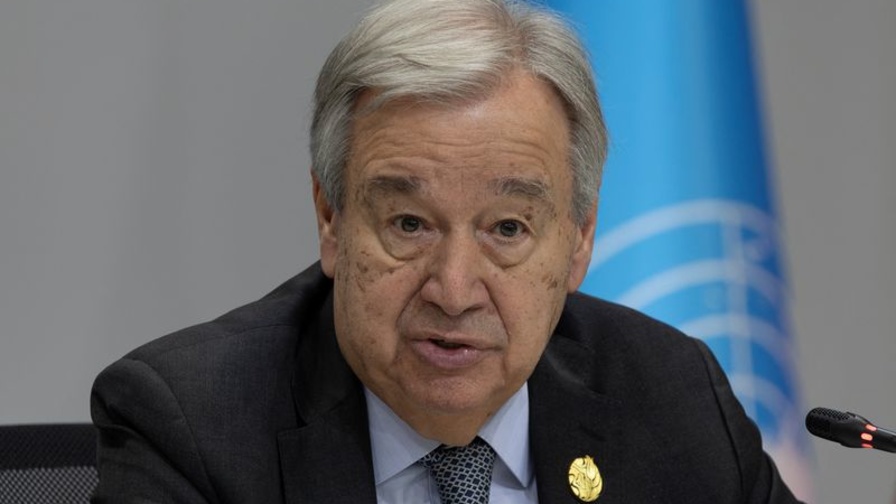
By Mikhail Flores and Nestor Corrales MANILA, Nov 16 (Reuters) – The United Nations is prepared to support any denuclearisation effort that may arise from this week’s summit meeting of China, Russia
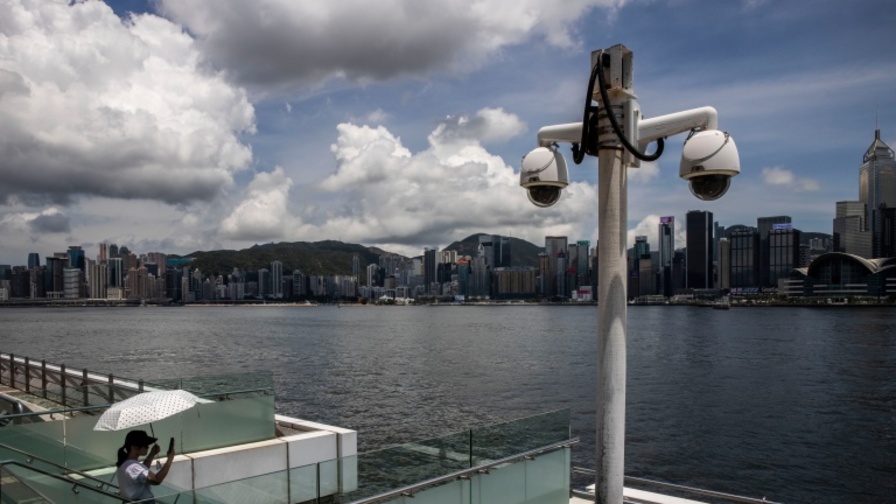
Hong Kong rolled out AI-powered facial recognition functions across its camera surveillance system on Monday, expanding monitoring of public spaces in the name of national security and crime-prevention.Security chief Chris Tang told lawmakers last year that the AI functions will be used to monitor crowds and read licence plates, and “will naturally be applied to people, such as tracking a criminal suspect”.


BEIJING, Nov 16 (Reuters) – China’s Foreign Ministry said on Monday that this week’s trilateral meeting between the Chinese, US and Russian leaders is of “groundbreaking significance” and will promote


Most of the engagements the royal couple will attend are related to the Earthshot Prize, which Prince William founded.


A spell of colder, wintry weather will grip some northern parts of the UK, bringing a threat of ice and hill snow at times.


SEOUL, South Korea (AP) — South Korean officials are scrambling to prevent cheating on a national college entrance exam as concerns grow that artificial intelligence and smart devices are making fraud harder to detect.Experts are concerned whether cheating with technology could be detected on the exam to be taken Thursday by more than half a million students nationwide.


JAKARTA, Nov 16 (Reuters) – Indonesian police raided the office of the local subsidiary of Singapore-based cloud-computing company Megaspeed, Nvidia’s Asia-Pacific partner, earlier this year at the
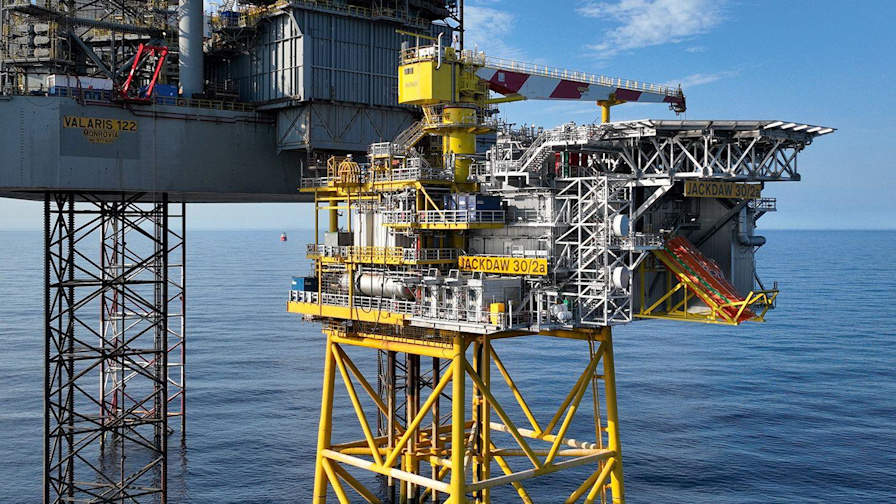
Ministers last month announced the Jackdaw gas field, which lies 150 miles east of Aberdeen, had been approved after years of uncertainty.


The woman was hit by a dark-coloured vehicle as she walked her dog across a car park in Reading.


Anti-drugs agency said the American attempted to leave the airport, abandoning his luggage with the drugs.


RIGA, Nov 16 (Reuters) – Latvia’s Prime Minister Andris Kulbergs said late on Sunday his centrist, pro-Ukraine United List had agreed to form a government with the nationalist National Alliance
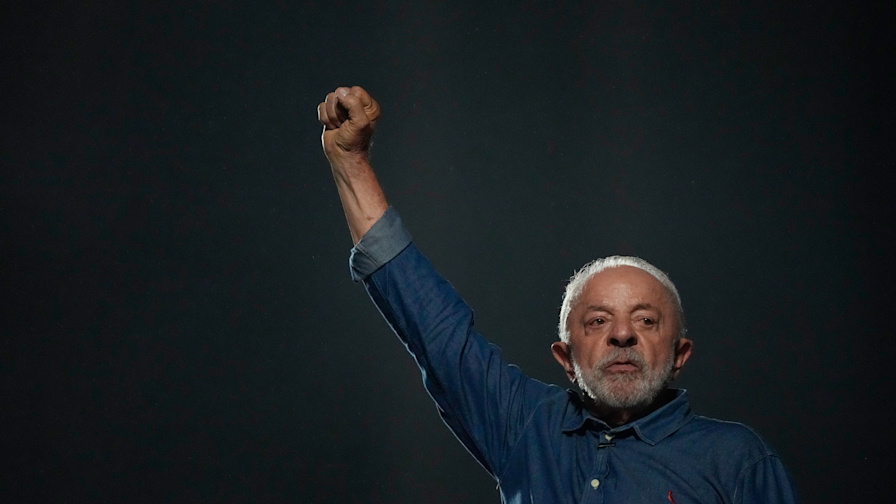
RIO DE JANEIRO (AP) — Brazilian President Luiz Inácio Lula da Silva won a surprise reelection victory in late October, but he faces a multitude of challenges on issues ranging from the economy and public security to relations with the United States.While Lula ultimately bested challenger Flávio Bolsonaro by 4.


Belmont Academy pupils deposit their phones in a box at the start of lessons and are retrieved at the end.
Powered by WPeMatico