
Trump announces plan to lower beef prices, but ranchers and some Republicans are already balking
Trump announces plan to lower beef prices, but ranchers and some Republicans are already balking
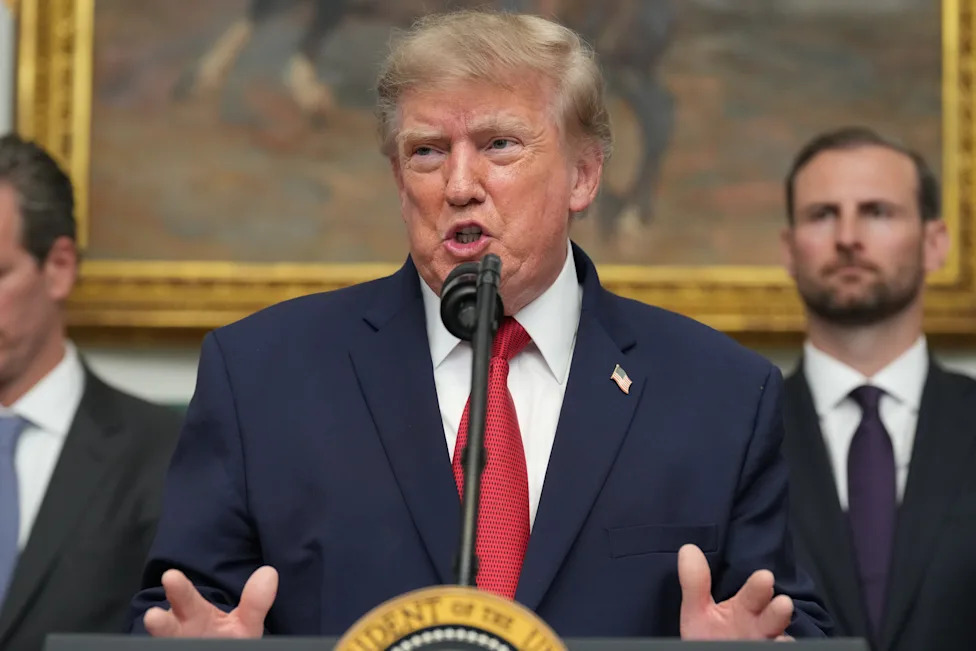
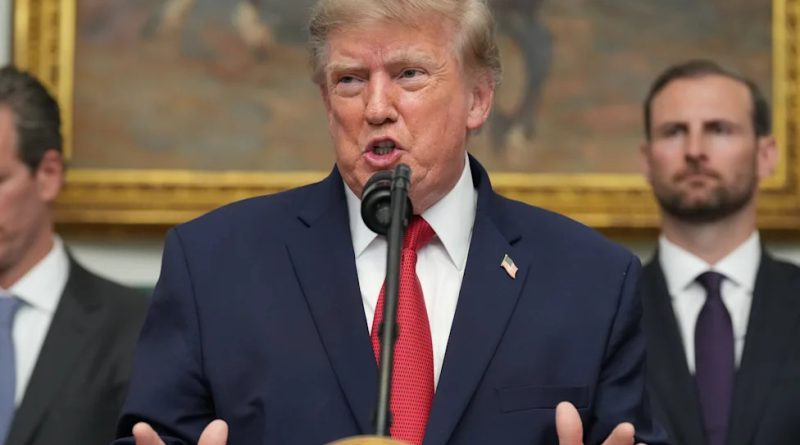
WASHINGTON (AP) — President Donald Trump announced Friday that his administration will allow more beef to be temporarily imported into the U.S. without triggering higher tariffs, which drew swift pushback from cattle producers and conservative rural-state Republicans.
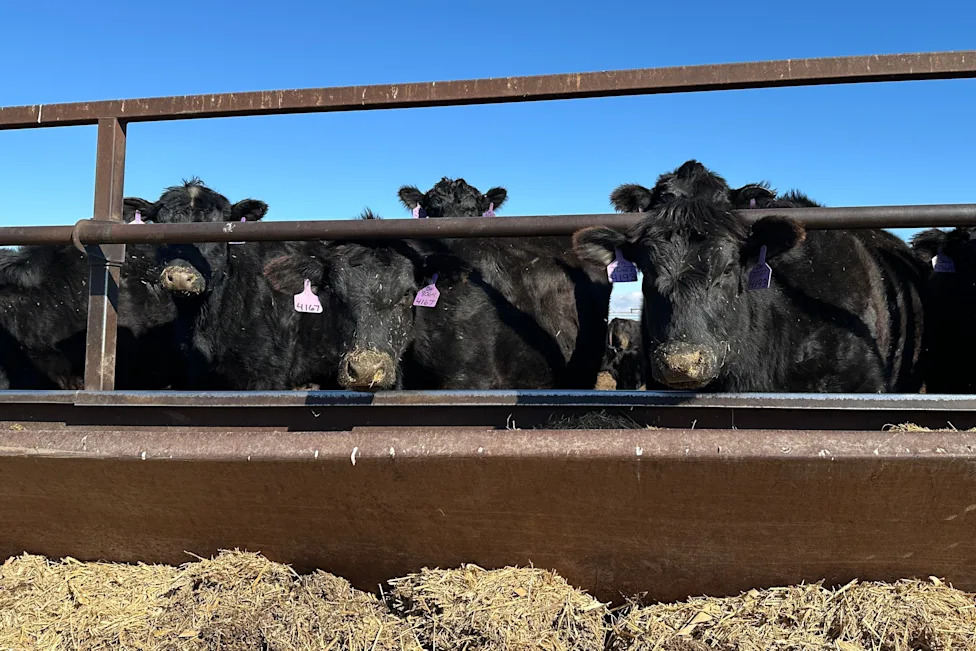
Beef prices have climbed to record highs amid a drop in the number of U.S. cattle, consistent consumer demand and limits on cattle from Mexico, where the animals are facing a flesh-eating pest. The U.S. president has also imposed 50% tariffs on Brazil, a major beef exporter.
Trump remains under pressure to cut costs and address affordability issues ahead of November’s midterms. But ranchers, normally some of the president’s biggest supporters, are enjoying some rare profitable years and worry cheap beef imports will reduce cattle prices — and with it, the incentive to increase herd sizes.
“We all want lower grocery prices, but as I’ve said for months, we cannot do it at the expense of American producers,” Sen. Deb Fischer, R-Neb., said in a statement. “Flooding the market with foreign beef hurts our livestock industry and undermines the long-term solution: growing the U.S. cattle herd to meet demand.”
When asked by reporters Friday evening about criticism of the deal, Trump said, “I love the ranchers; they’ve done a fantastic job. But they admit that we need a little help, and, in order to get the prices down, so that’s what we’re doing.”
Sen. Tim Sheehy, R-Mont., said in a social media post just hours after Trump announced the deal that the president’s “heart is in the right place,” but importing beef will “harm our ranching families who feed the nation.”
And Sen. Pete Ricketts, R-Neb., said that while he appreciates the administration’s focus on grocery prices, “short term policy shifts do not equal long term solutions.”
The deal, Trump said, allows up to 300,000 metric tons of ground beef to be imported into the U.S. for the next 90 days without activating an “out of quota” tariff, which is a tax that goes into effect once a certain quantity of that product enters the country.
The president said on social media that he had committed to ensuring the imported beef would be sold at 25% below current market rates, making it cheaper for American consumers. Trump didn’t specify which countries would import the beef while speaking to reporters Friday, but said “there are a few” and that they’ll send the “highest quality beef.” A White House official said the deal is with foreign beef exporters who have agreed to the discount on beef.
“You don’t put America first by putting U.S. cattle producers last,” U.S. Cattlemen’s Association President Justin Tupper said in a statement. “This move will weaken our markets and gamble with food safety in the process.”
The president’s announcement and other market interventions sacrifice “long-term stability for short term messaging,” Colin Woodall, CEO of the National Cattlemen’s Beef Association, said in a statement.
Glynn Tonsor, a professor at Kansas State University who focuses on the cattle and beef industry, said he would like to see more details about the latest deal but that his immediate assessment was that it wouldn’t have a big effect on prices.
That’s because 300,000 metric tons amounts to roughly 3% of what Americans eat yearly, he said. “The relative magnitude we are talking about is pretty small.”
David Anderson, professor of agricultural economics at Texas A&M University, said he was skeptical other countries could redirect so much beef to the U.S. in such a short time period.
“Is that even achievable?” he questioned in a phone interview.
The White House official, who spoke on condition of anonymity to discuss a plan that has yet to be finalized, said the beef in question is lean beef trimmings that are used for ground beef production. Trump plans to sign an executive order formalizing the directive within two weeks, the official said. The administration made a push last year to buy more beef from Argentina to try to bring down prices.
The president said Friday that his plan would help grow the U.S. cattle supply, which is the smallest it’s been in decades. Some ranchers and experts said the opposite effect was more likely.
“Imports have been a major contributor to the decline in the U.S. cattle inventory,” said Bill Bullard, the CEO of the R-CALF USA, which represents independent cattle producers. “Using more imports today will exacerbate that decline and will prevent herd expansion.”
___
Associated Press writers Sarah Raza in Sioux Falls, South Dakota, and Sudhin Thanawala in Atlanta contributed to this report.


The Passivhaus standard is growing in popularity as UK homeowners adapt to hotter summer temperatures.

SEOUL, Aug 22 (Reuters) – A South Korean container ship sets sail on Saturday for Europe via the Arctic in the nation’s first commercial voyage on the route to test its viability, with the hope of
Nine people are still missing after the attack which left 130 injured, including a number of children.


The names of the 11 men who died will be read out at 13:22 BST, the exact time the plane crashed.


The Reform UK-run council says it wants to look again at Pothole Pros after officers rejected them.


Jacqui and Malcolm, from Gateshead, say trust, empathy and humour are the secrets of a happy home.
There have now been 517 cases of bluetongue in the UK, according to government figures.


Michelle Torossian said an injunction had been filed on behalf of her father George Mason.


The repair work has led to large traffic jams between Gloucester and the Forest of Dean.

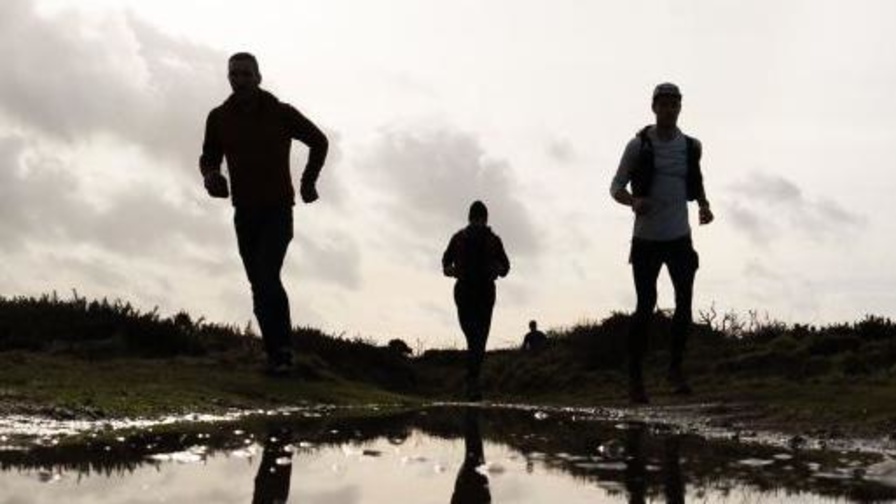
A livestock farmer has spotted people jogging through her farm where cows are calving.


Leicestershire and Rutland Wildlife Trust says the lack of rain made it easier for ospreys to fish.


People wearing face coverings could be issued with fines under the new plans.
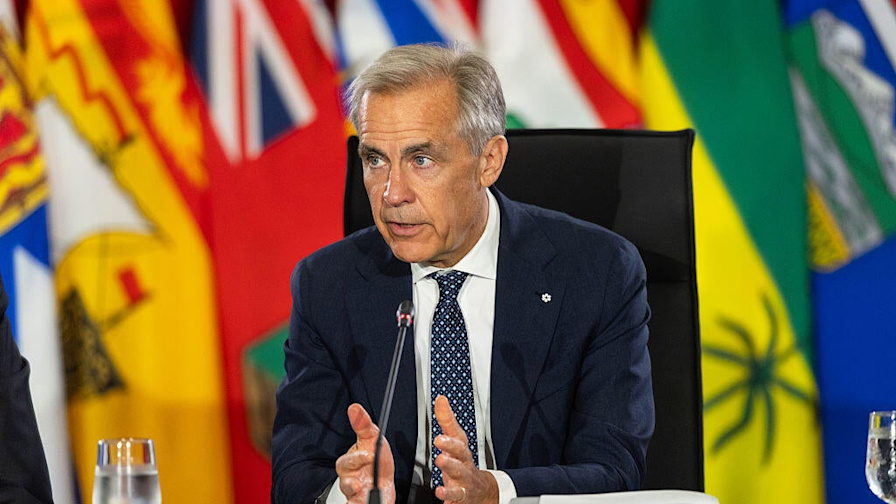
The U.S. was set to impose 50% tariffs on $20 billion worth of Canadian products early Saturday. Canadian Prime Minister Mark Carney countered that Canada would match them “dollar for dollar.”


Tom Parnaby was 18 when he and a friend were badly injured by a firework last Bonfire Night.

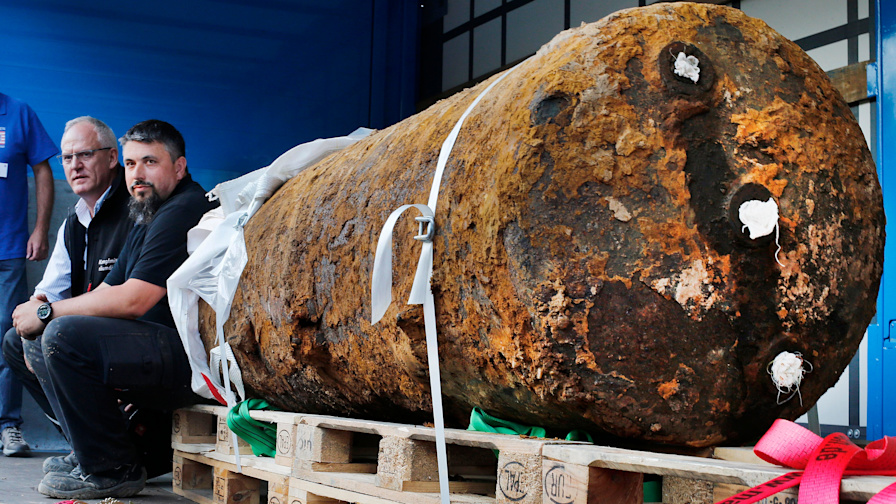
The wildfires burning across Europe this summer have exposed a potentially deadly threat lurking beneath the blackened landscape: rusty bombs and mines from World War I and II that threaten crews responding to the flames. Blasts have been reported in France, Belgium, Germany and the Netherlands, where a bomb-disposal team was dispatched to check a forest threatened by flames near a site of fierce fighting in the Limburg province in 1944. Fueled by climate change, the fires and explosions show that the continent’s “climatic luck” is running out, said Sarah Njeri, a peace and conflict scholar at London’s School of Oriental and African Studies.


The Hospice 10K carries on the legacy of Jayson Lee who died while playing football in 2009.


The rules have sparked anger, with one estate agent saying there has been no viewings for 18 months.


Margate Winter Gardens is set to reopen to the public in 2027, five years after closing its doors.

A new 50% levy on $20bn of Canadian imports comes into force after a last-minute breakdown in trade talks.


Bright pink signs have been installed to encourage people to bin their chewing gum responsibly.
Powered by WPeMatico