
Judge rejects Alex Murdaugh’s bid to dismiss murder charges
A South Carolina judge has upheld a pair of murder indictments against disgraced former Hampton lawyer Alex Murdaugh, and the case will proceed toward a 2027 retrial.
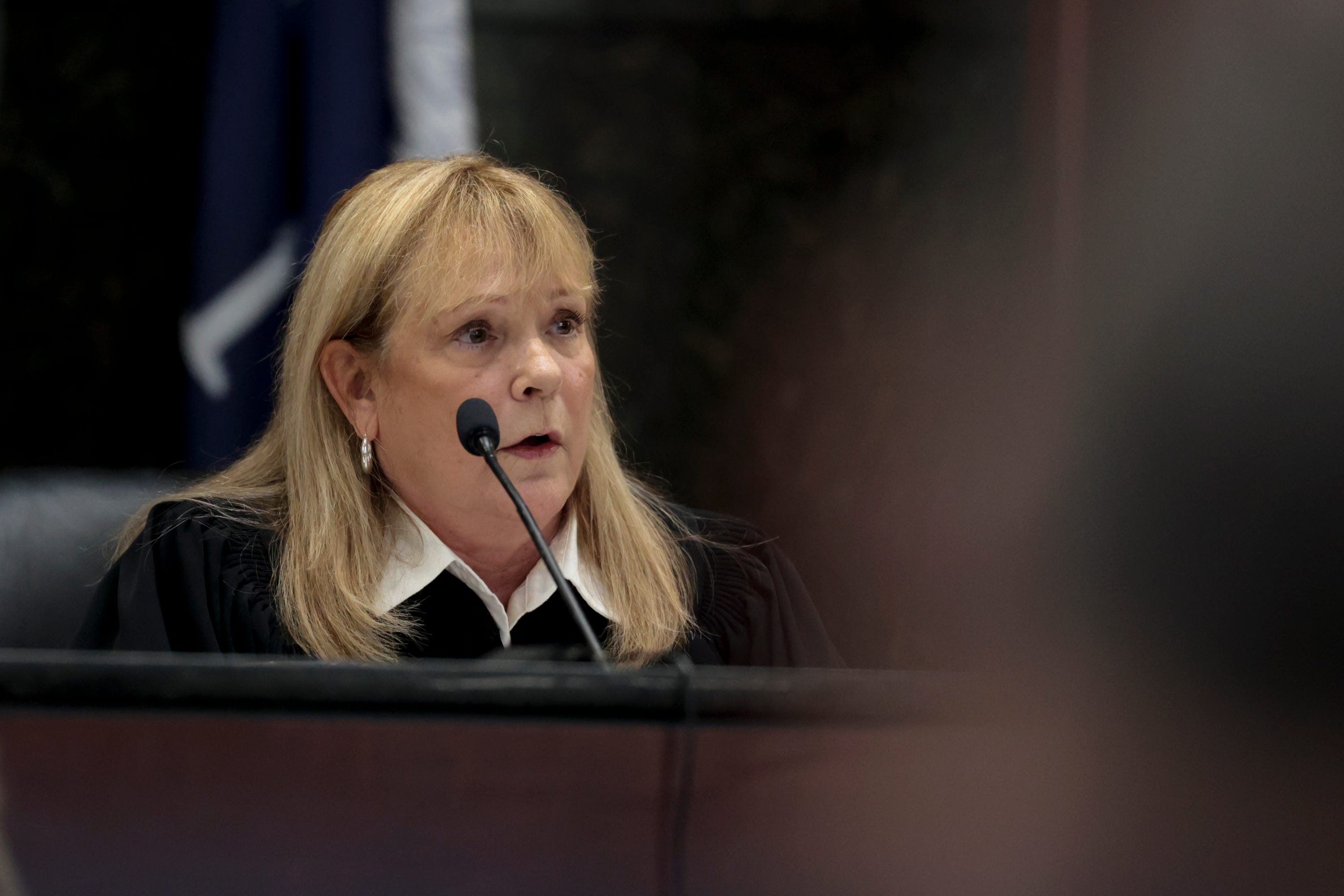
After hearing arguments on a motion to dismiss from Murdaugh’s attorneys and the S.C. Attorney General’s Office for nearly two hours during a pretrial hearing in Lexington on Nov. 13, Judge Debra McCaslin ruled Friday, Nov. 20, that Murdaugh’s motion to dismiss murder and weapons charges be denied.
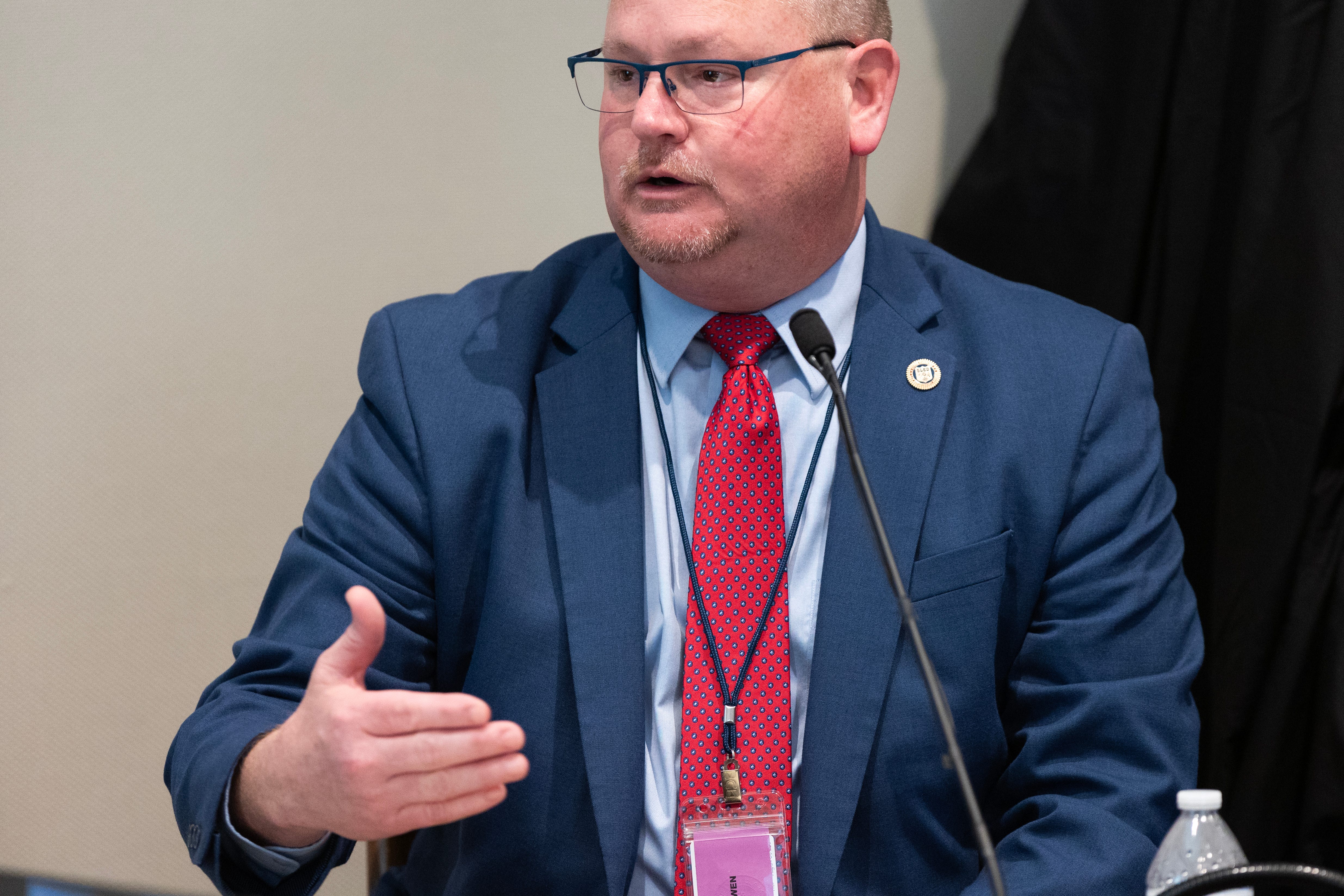
While Murdaugh’s defense attorneys argued in that motion that the lead state investigator in the case, David Owen, presented false or misleading evidence to a local grand jury in order to secure the 2022 indictments, Judge McCaslin ruled that “the remaining unchallenged evidence overwhelmingly established probable cause.”
Murdaugh was convicted in March 2023 for the June 2021 shooting deaths of his wife Maggie and adult son Paul, but the convictions and resulting two consecutive life sentences were overturned by the S.C. Supreme Court in May over reports of improper jury contact by now-former Colleton County Clerk of Court Rebecca Hill.
Murdaugh, who is currently serving lengthy state and federal prison sentences for fraud, has admitted to stealing millions from clients and law partners, but has staunchly denied playing a role in the family killings.
Why did Judge McCaslin uphold the Murdaugh murder charges?
The alleged false evidence relates to allegations that, in order to obtain the murder indictments, S.C. Law Enforcement Division agent Owen gave false testimony to the Colleton County Grand Jury related to human blood spatter evidence on a shirt Murdaugh was wearing on the night of the killings, as well as false or misleading information about shotgun ammunition patterns that matched one of the missing murder weapons.
However, in the concluding remarks of her 11-page order, Judge McCaslin writes:
“The Court concludes that Defendant has not established intentional prosecutorial or investigative misconduct that compromised the integrity of the grand jury proceedings. Defendant has not demonstrated that the challenged testimony substantially influenced the grand jury’s decision to indict or created grave doubt that the decision was free from such influence. Even if the challenged testimony concerning the blood spatter on the T-shirt and shotgun ammunition were excluded from consideration by the grand jury, the remaining unchallenged evidence overwhelmingly established probable cause. Further, the Court finds no evidence of misuse of the State Grand Jury.”
In citing her “probable cause” decision, Judge McCaslin cited several other pieces of evidence that were arguably enough to secure an indictment, including “digital timeline records, FBI telemetry analysis, cell phone data, video evidence placing the Defendant at the scene immediately before the homicides, evidence of GSR on the Defendant’s raincoat, and circumstantial evidence regarding motive and opportunity,” etc.
“Dismissal of an indictment based on alleged misconduct during grand jury proceedings is an extraordinary remedy reserved for exceptional circumstances,” the order adds.
The judge did not take lightly, however, that Owen presented information that later proved false, citing the SLED agent’s failure to see an earlier report addressed directly to him that could have shed light on the blood spatter question before he presented incorrect information to the grand jury.
“The Court does not take lightly Special Agent Owen’s failure to recognize and account for a laboratory report addressed directly to him prior to presenting testimony in this case. Law enforcement bears a fundamental duty to thoroughly review and accurately represent the complete evidentiary record. Oversights of this nature undermine public confidence in the integrity of the criminal justice system. Nevertheless, the Court finds that this failure does not rise to the level of bad faith misconduct warranting dismissal of indictments.”
This could arguably be a small victory for Murdaugh defense during the retrial, as it casts doubt on Owen’s credibility as lead investigator.
What happens next in the Murdaugh murder case?
The murder case will now continue to retrial beginning the week of April 5, 2027, in Sumter County before Judge McCaslin.
The jury questionnaire and selection process is set to begin at the next Murdaugh pretrial hearing on Jan. 20 in Sumter.
Why did Alex Murdaugh seek to dismiss his murder charges?
On Aug. 10, Murdaugh’s defense team filed a motion to dismiss all four pending criminal indictments against Murdaugh—two murder charges and two related weapons charges — over alleged “false” and “fabricated” evidence and the “…presentation of perjurious testimony and fabricated evidence to the grand jury, creating a colorable claim of prosecutorial misconduct.”
The S.C. Attorney General’s Office has denied allegations that Owens knowingly lied to the jury, arguing that he presented the information he had at the time in the evolving case.
‘The grand jury was misled greatly’
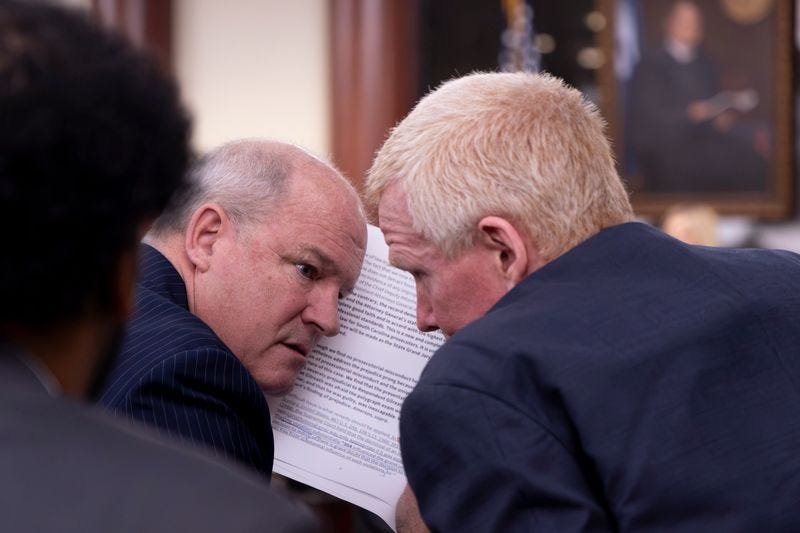
During the hearing, Murdaugh attorney Jim Griffin, displaying a lengthy PowerPoint presentation, alleged that SLED knew by August 2021 that there was no human blood spatter on the shirt, and cited a Nov. 10, 2021, lab report addressed to Owen stating the same result, but Owen still gave the grand jury the false information in July of 2022.
“There’s no way to claim that this (false blood spatter evidence) had no influence on the grand jury,” Griffin said. “The grand jury was misled greatly when they returned this indictment.”
However, the State claimed that Owen did not see that report until November of 2022. The State also pointed out that, while the SLED lab report indicated there was no human blood, an independent expert gave an opinion that stains on the shirt were consistent with blood spatter.
‘This was all very, very compelling evidence’
Murdaugh’s defense also argued that Owen told the grand jury that other weapons found on the property were loaded exactly like the murder weapon – first a buckshot shell, then a birdshot “turkey load,” which they said was also false.
SC Deputy Attorney General Creighton Waters argued that the gun Murdaugh had in his possession when police arrived at the crime scene on the night of June 7, 2021, was loaded with one buckshot and a birdshot, although it was not a turkey shell. Other guns found at the Murdaugh family home had mixed combinations of birdshot shells.
Waters also argued that the Grand Jury was presented with many other “compelling” pieces of evidence when they returned the murder indictments, including a cell phone video that puts Murdaugh at the crime scene despite his original claims that he wasn’t there.
“This was all very, very compelling evidence,” Waters said.
Judge sets key deadlines for upcoming Murdaugh retrial process
Even as the prospect of dismissal remained a possibility, Judge McCaslin continued to move ahead in the retrial process and set several upcoming deadlines:
- Jan. 20, 2027, will be the deadline for both sides to agree on the juror questionnaire to be mailed in January to potential Sumter County jurors. This is also the date of the next pretrial conference, which will be held in Sumter.
- March 1, 2027, is the deadline for both parties to present the list of expert witnesses they intend to call at trial.
This article originally appeared on Greenville News: Judge rejects Alex Murdaugh’s bid to dismiss murder charges
This article originally appeared on Greenville News at https://www.greenvilleonline.com/story/news/crime/2026/11/20/alex-murdaugh-retrial-judge-refuses-to-dismiss-murder-charges/92846092007/
Powered by WPeMatico